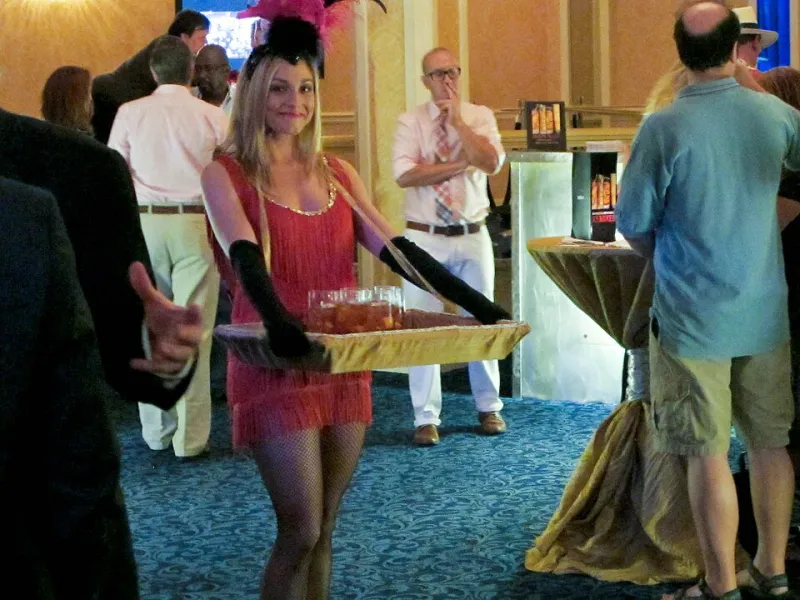
Steak and Eggs, Hold the Steak: What Old Vegas Comps Can Teach You About Today's Bonus Menus
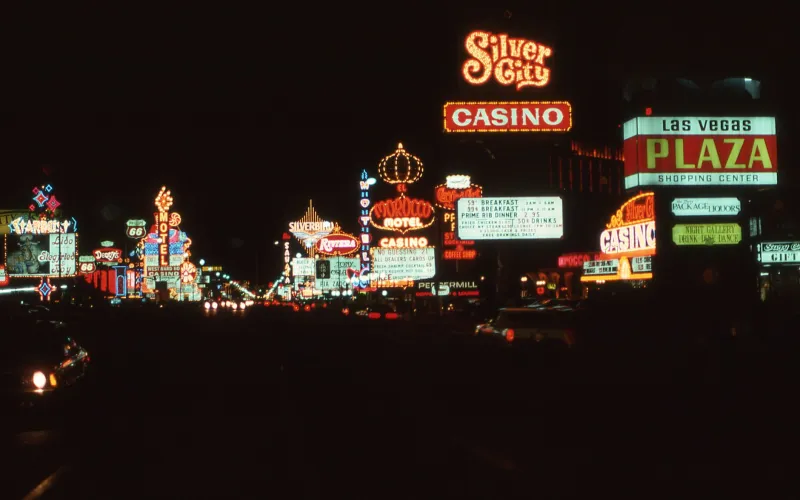
Picture this: it's 2 a.m. at a downtown Las Vegas casino in 1962. You've been feeding quarters into a machine for a few hours, and a waitress in a starched uniform slides a plate in front of you. Steak. Eggs. Toast. Hash browns. Coffee that could strip paint. Total cost to you: nothing. Total cost to the house: maybe ninety cents.
That was the golden age of the comp, and honestly, it was a pretty honest deal. You gave the casino your time and your action, and the casino gave you something you could actually eat. There was no wagering requirement on a plate of eggs. No 30x playthrough on hash browns. You sat down, you ate, you went back to the reels.
The Original Meal Deal
The famous steak-and-eggs dollar comp wasn't generosity for its own sake — it was math dressed up as hospitality. Casinos figured out that a player who felt fed was a player who stayed. A dollar in theoretical loss bought roughly a dollar in food, and the food itself cost the casino pennies on the dollar because they ran the kitchen anyway.
But here's the thing that made it work: the comp was legible. You could see the steak. You could taste it. Nobody had to explain what "bonus abuse" meant to a guy holding a fork. The value was right there on the plate, and the transaction felt human.
When the Plate Became a Promo Code
Fast forward to today, and the comp has gone digital — but the psychology underneath hasn't moved an inch. Every free spins offer, every reload bonus, every cashback percentage is the spiritual descendant of that 2 a.m. steak plate. The casino is still saying the same thing it said in 1962: stay a while, keep playing, here's something for you.
The difference is that the modern version comes wrapped in terms and conditions instead of a napkin. And that's where casual players need to sharpen their eyes, because not all of these offers are the full breakfast. Some of them are just burnt toast.
So how do you tell the difference? Grab your coffee and let's break down the modern comp menu.
Reading Today's Comp Menu Like a 1962 Regular
Free spins are the closest thing we have to the classic meal comp. The casino hands you something concrete — a set number of spins on a specific game — and you know exactly what you're getting. The catch usually lives in the fine print: what are the spins worth per spin, and are winnings capped? If a casino offers 100 free spins at a dime each with a $50 winnings cap, that's not steak and eggs. That's a continental breakfast with a two-item limit.
Reload bonuses are the comp dinner — a percentage match on your deposit, usually 25% to 100%. These can be genuinely good, but the wagering requirement is the kitchen's secret ingredient. A 100% match with 40x playthrough means you're chewing through that bonus a long time before it's yours. A 50% match with 10x playthrough? That's a real plate.
Cashback is the quiet star of the modern menu, and honestly, the most honest one. It's the direct heir to the dollar-comp system: you lose X, you get X% back, usually with little or no wagering attached. When a site offers 10% cashback with no strings, that's the steak-and-eggs of the digital era — simple, legible, no fork required.
The Burnt Toast Test
Here's a quick gut-check you can run on any modern offer before you bite:
- Can you explain the value in one sentence? If you can't, the casino doesn't want you to.
- What's the playthrough? Anything over 35x on a bonus is the house asking you to eat the plate, the table, and the chair.
- Is there a max cashout? Nothing says "burnt toast" like winning big off a bonus and finding out you can only withdraw forty bucks.
- Does it fit how you actually play? A weekend spinner doesn't need a high-roller reload any more than a brunch crowd needs a 6 a.m. prime rib special.
The old Vegas regulars didn't read fine print because there wasn't any — but they did have their own version of this test. They knew which coffee shops comped a real breakfast and which ones slid you a day-old danish and called it hospitality. Same instinct, different century.
Order Like You Know the Kitchen
None of this means modern bonuses are bad. Some of them are genuinely generous — better, even, than a ninety-cent steak, because cashback and free spins cost you nothing extra to claim if you're playing anyway. The point is that the comp never stopped being a marketing tool; it just got better at disguising itself.
So the next time a promo banner promises you the world, do what the 2 a.m. regulars did: look at the plate, not the menu photo. If the math works and the terms don't strangle you, pull up a booth and enjoy. And if it's burnt toast? Send it back. There's always another special tomorrow.